

You’re reading How to Live, a weekly examination of the distance between what you experience and how it’s interpreted.
Most of what shapes a life isn’t explained or fully understood. This newsletter returns to the moments that shaped us and stays with them long enough to see what was actually at work.
This work is supported by paid subscribers. They receive the full archive, essays that go further, and occasional in-person gatherings with other readers.
Become a paid subscriber
$6/month or $67/year
On the Difference Between Feeling and Emotion
People will do anything, no matter how absurd, in order to avoid facing their own soul. One does not become enlightened by imagining figures of light, but by making the darkness conscious.
Emotions have always gotten a bad rap. They're like New Jersey to native New Yorkers: You know it exists, but don't want to go there. Sure, there's beauty in New Jersey, but you have to spend time there to find it.
Even positive emotions can earn you eye rolls. Those who can't contain their joy and pride are often accused of earnestness, or worse, sentimentality, as if gushing weakens us as people. But it's the bleaker emotions I'm here to talk about, the ones that scare us even more.
The often-overwhelming shadows that emotions cast inside our bodies, darkening what was light just seconds earlier, are so uncomfortable and frightening that we try to avoid feeling the sensations. We're so adept at dodging out of discomfort's way that we spend years hiding our emotions, not just from other people, but from ourselves.
Yet this withholding only exacerbates our sense of loneliness and alienation. Being honest about our interior world and the private struggle that comes with it can be terrifying, not only because of how others might react, but because of how our bodies do.

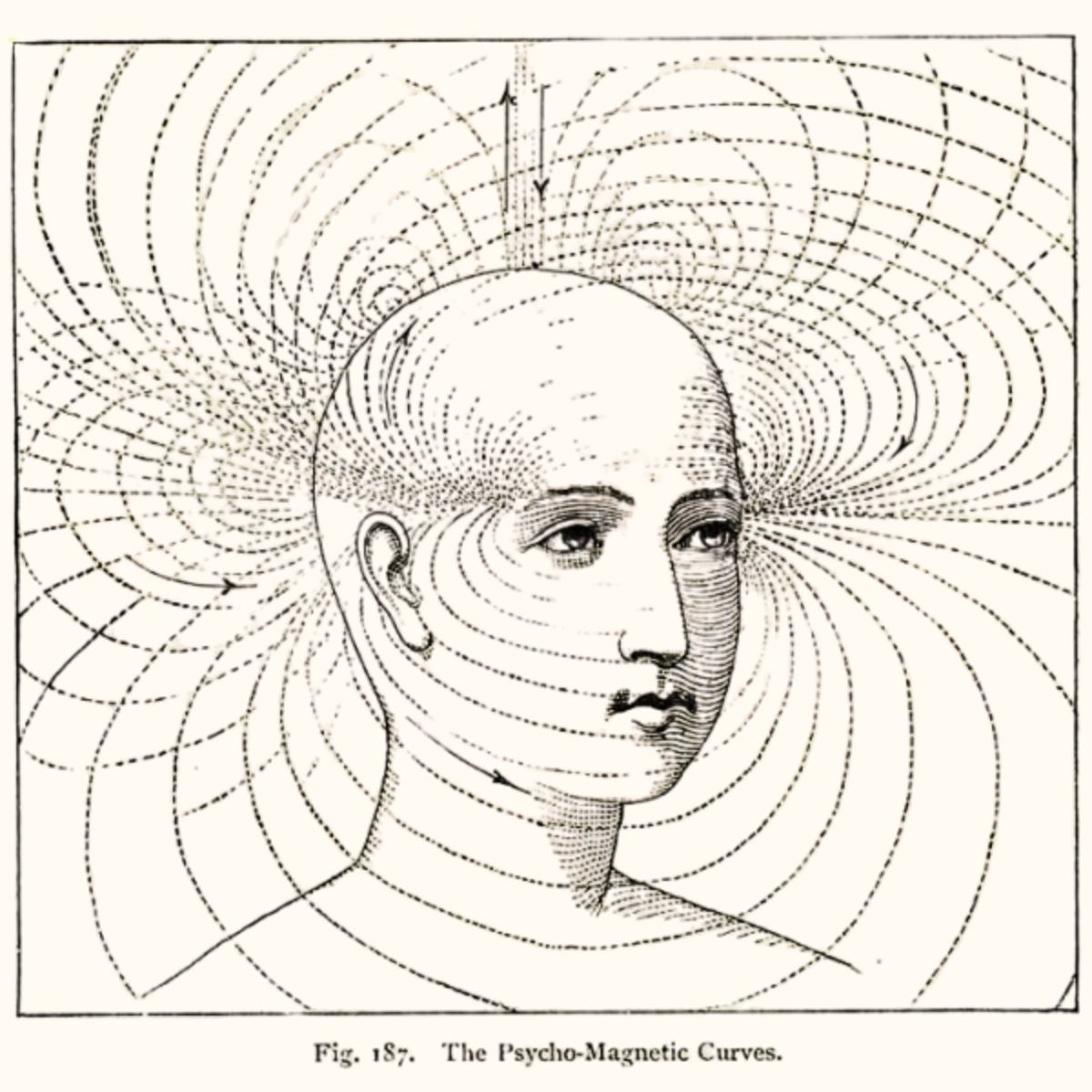
Artist Unknown
To be truthful means feeling that sickening backsplash of reality rise in our throats, reminding us that we're mired in unresolved uncertainty. Who wants that?
Here's what I've learned after a lifetime of studying my own fear and panic: Despite how much we think we understand our interior universe, many of us confuse emotions with feelings.
But they are not the same thing. And knowing the difference might change your life.
I know that sounds hyperbolic. But it’s true.
Unexpressed emotions will never die. They are buried alive and will come forth later in uglier ways
Because my panic disorder began in infancy and went undiagnosed until I was 25, I spent much of my early life ambushed by bodily sensations so terrifying that I'd float up to the ceiling and watch myself—paralyzed or flailing—below. I felt invisible forces trying to drag me by the ankles and drown me in black tarry quicksand. Mentholated air flooded my chest and burned as it spread. I felt my internal organsfast-forward from well to diseased.
As a child experiencing these sensations, I didn't understand what they were. So I believed, and feared, that I was inalterably broken, that a part of me was defective and had been incorrectly set at the people factory.
What I know now is that those flares were signaling danger. Our nervous systems don't distinguish between physical and emotional threats and treat them as the same. Panic and anxiety activate our sympathetic nervous systems, preparing us for impending annihilation. We know it as fight, flight, or freeze.
Those with highly charged emotional reactions bear an invisible burden. Everything takes on meaning: Smells, temperatures, and tastes stick to the sensations they conjure to become one entity, so that the aroma of chicken and rice soup simmering on the stove will trigger that same Sunday melancholy every time you smell it, for the rest of your life.
From childhood well into adult life, I avoided situations that kicked up percolating terror in my chest. Problem solved.
Only, the problem was not solved. It grew and took over my life.
It was when my fear entirely controlled me and I couldn't fully operate that I was forced to face what for years had been so frightening. I began to tiptoe inside my body, to meet the fear and learn what it truly wanted to tell me.
That's when I discovered something that changed everything: I had been looking in the wrong place.
For years, when panic pushed apart my ribs, I went immediately to my brain for a solution. I would think my way through it, analyze it, try to rationalize it away. I would ask myself: Why am I feeling this way? What's wrong with me? How do I make this stop?

But those questions, reasonable as they seemed, kept me trapped. Because I was trying to think my way out of something that wasn't happening in my thinking mind at all.
The mentholated burning in my chest wasn't a thought problem. It was a body problem. And until I learned to distinguish between what was happening in my body and what I was making that sensation mean, I couldn't move through it.
This is where most of us get stuck.
We experience something uncomfortable in our bodies and immediately leap to interpretation. We go straight to the story, bypassing the sensation entirely. We confuse the raw physical experience with the meaning we assign to it. We mistake emotion for feeling.
They are not the same thing.
So what exactly is the difference?
Below, I walk you through the revelatory difference between feeling and emotion, share a mind-altering insight that permanently reshaped how I understand myself, and offer a new way of moving through the world in light of it.
Paid subscribers get this essay plus 200+ others in the archive. Upgrade here.
You're reading How to Live
An inquiry into what it’s like to be a person, and what we make of what happens to us.
Subscribe to continue readingWhat's included:
- Every new essay, the moment it’s published
- Full access to the complete archive — 150+ pieces and counting
- Occasional bonus essays and experiments-in-progress shared exclusively with members
- Invitations to seasonal, in-person gatherings
- A direct line to me (annual members): personal replies and tailored recommendations
- 15% off all workshops and live events