You’re reading How to Live, a weekly examination of the distance between what you experience and how it’s interpreted.
Most of what shapes a life isn’t explained or fully understood. This newsletter returns to the moments that shaped us and stays with them long enough to see what was actually at work.
This work is supported by paid subscribers. They receive the full archive, essays that dive deep, and occasional in-person gatherings with other readers.
Become a paid subscriber
$6/month or $67/year
How to Become Who You Actually Want to Be
On my bedside table sits a handwritten reminder: The brain takes the shape of what the mind rests upon.
This principle, rooted in Buddhism, is also the foundation of neuroplasticity: our thoughts alter the physical structure of the brain.
Say what?
Yup.
What you think and do repeatedly can literally influence the physical structure of the brain. The brain you're born with continues changing throughout your life.
When you learn something new, neurons (brain cells) form new connections. In some brain regions, your brain may even create new neurons through a process called neurogenesis.

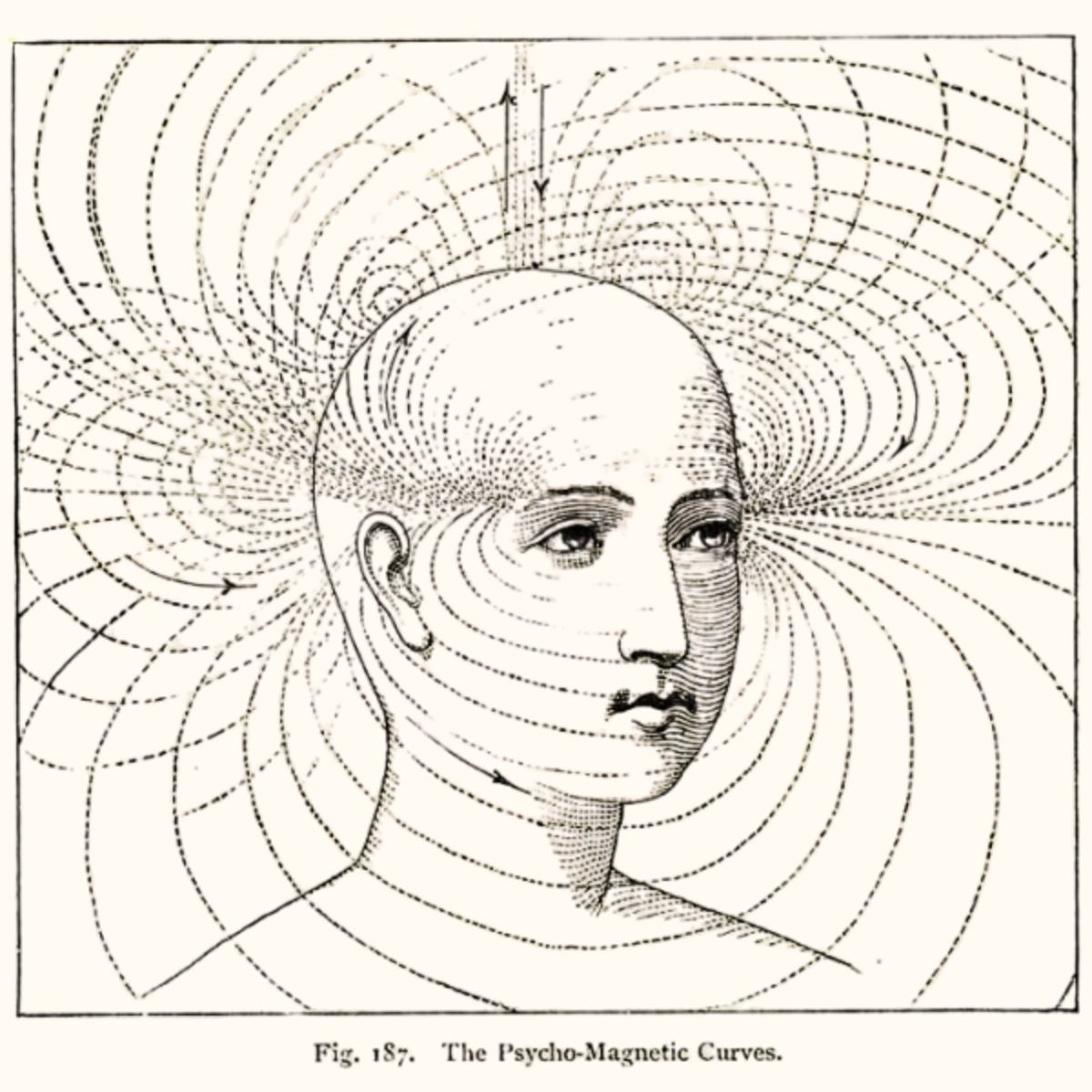
From a vintage textbook called “Biology; the story of living thing.”
Remember Newton's third law of motion? For every action, there is an equal and opposite reaction?
Your brain operates on a zero-sum budget. When you get obsessed with piano, it doesn't just build new networks for finger coordination and musical processing—it starts pulling resources from the motor skills you're neglecting. Those pathways get weaker while the piano ones get stronger.
Neuroplasticity is your brain's constant rewiring project. It's always forming new connections and adapting to whatever you're doing most: learning, practicing, even recovering from injury. But it aso adapts and strengthens connection to your most recycled thoughts.
The mechanics: Neurons communicate through synapses, and repeated activity strengthens these connections. Scientists call this Hebbian plasticity: "neurons that fire together, wire together." Every time you practice something, you're literally reinforcing those neural networks.
But there's a catch—brains are efficient, not ambitious. They follow established pathways and shut down the unused ones. Left to their own devices, they'll take the path of least resistance every time.
The upside? We can direct this process through our choices. What we practice and choose to believe is what gets consistently reinforced.
Once we understand how these systems work, we can deliberately guide them to reinforce habits, gradually shift thought patterns, and influence aspects of our behavior and identity over time.
For instance, I've been consistently practicing good sleep hygiene by telling myself I'm an excellent sleeper. And surprisingly? It seems to be working.
Today, I'll share a handful of principles from neuroscience that can help us work with our brain's natural adaptability, and influence who we become.
Below, I walk you through the specific systems in our brain, how they work, and how you can dust off the parts that are idling and get them working on your behalf.
Paid subscribers get this essay plus 200+ others in the archive. Upgrade here. They also help keep this project alive.
You're reading How to Live
An inquiry into what it’s like to be a person, and what we make of what happens to us.
Subscribe to continue readingWhat's included:
- Every new essay, the moment it’s published
- Full access to the complete archive — 150+ pieces and counting
- Occasional bonus essays and experiments-in-progress shared exclusively with members
- Invitations to seasonal, in-person gatherings
- A direct line to me (annual members): personal replies and tailored recommendations
- 15% off all workshops and live events